AP US History: Hall of Fame

  • Home
  • Questions
  • John Rolfe
  • John Winthrop
  • Roger Williams
  • George Whitefield
  • Jonathan Edwards
  • Thomas Paine
  • Benjamin Franklin
  • Samuel Adams
  • Patrick Henry
  • George Washington
  • John Adams
  • Alexander Hamilton
  • Thomas Jefferson
  • Lewis and Clark
  • James Madison
  • John Marshall
  • Henry Clay
  • John C. Calhoun
  • Samuel Morse
  • Eli Whitney
  • Andrew Jackson
  • Horace Mann
  • William Lloyd Garrison
  • Frederick Douglass
  • Elizabeth Cady Stanton
  • Dorothea Dix
  • Harriet Tubman
  • James Polk
  • Harriet Beecher Stowe
  • Abraham Lincoln
  • Ulysses Grant
  • Andrew Carnegie
  • Walt Disney
  • Thomas Edison
  • Jane Addams
  • Booker T. Washington
  • WEB DuBois
  • Margaret Sanger
  • Theodore Roosevelt
  • Upton Sinclair
  • Woodrow Wilson
  • Franklin Roosevelt
  • Harry Truman
  • Dwight D. Eisenhower
  • Martin Luther King, Jr.
  • Malcolm X
  • John F. Kennedy
  • Rachel Carson
  • Lyndon B. Johnson


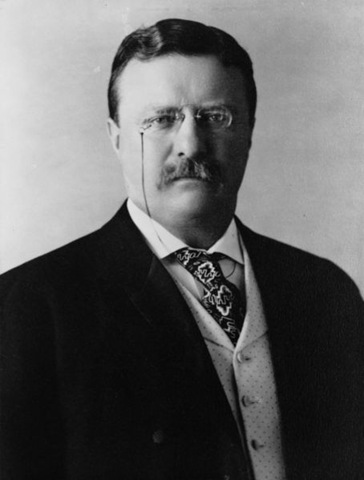
Theodore Roosevelt


After President William McKinley's assassination, Theodore "Teddy" Roosevelt,  who was almost forty three at the time, became the youngest president in the nation's history. He was the leader of the Progressive Movement and emerged as the "trust buster" and coined the phrase "Square Deal" to describe his agenda. Roosevelt was a model for masculinity and he had a love for nature, being a great outdoorsman. During the Spanish-American War, he formed a regiment called Rough Riders to fight in Cuba. This attack made little impact on the war, but it made people like Roosevelt even more. Roosevelt's presidency was full of

accomplishments, including:  the competion of the Panama Canal, the tour of the Great White Fleet, and the Roosevelt Corollary to the Monroe Doctrine. Roosevelt won a Nobel Peace Prize for his efforts to maintain balance of power in Asia by holding the Portsmouth Conference.

Make a Free Website with Yola.