AP US History: Hall of Fame

  • Home
  • Questions
  • John Rolfe
  • John Winthrop
  • Roger Williams
  • George Whitefield
  • Jonathan Edwards
  • Thomas Paine
  • Benjamin Franklin
  • Samuel Adams
  • Patrick Henry
  • George Washington
  • John Adams
  • Alexander Hamilton
  • Thomas Jefferson
  • Lewis and Clark
  • James Madison
  • John Marshall
  • Henry Clay
  • John C. Calhoun
  • Samuel Morse
  • Eli Whitney
  • Andrew Jackson
  • Horace Mann
  • William Lloyd Garrison
  • Frederick Douglass
  • Elizabeth Cady Stanton
  • Dorothea Dix
  • Harriet Tubman
  • James Polk
  • Harriet Beecher Stowe
  • Abraham Lincoln
  • Ulysses Grant
  • Andrew Carnegie
  • Walt Disney
  • Thomas Edison
  • Jane Addams
  • Booker T. Washington
  • WEB DuBois
  • Margaret Sanger
  • Theodore Roosevelt
  • Upton Sinclair
  • Woodrow Wilson
  • Franklin Roosevelt
  • Harry Truman
  • Dwight D. Eisenhower
  • Martin Luther King, Jr.
  • Malcolm X
  • John F. Kennedy
  • Rachel Carson
  • Lyndon B. Johnson


Andrew Carnegie


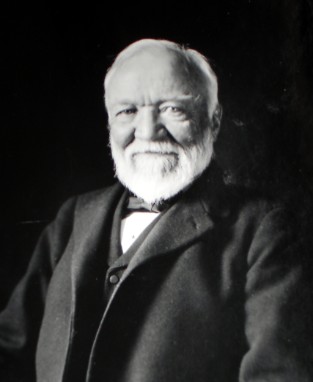
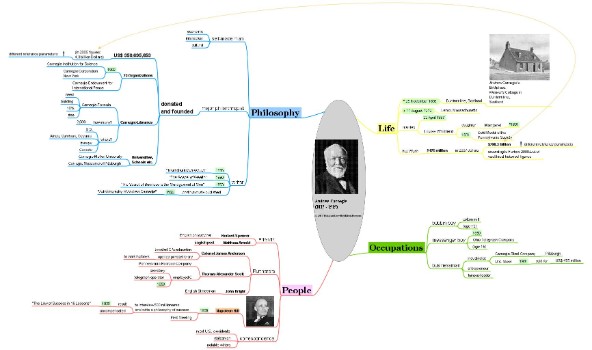
As a Scottish-American business man and entrepreneur, Andrew Carnegie was a strong leader of industry in the late 1800s and early 1900s. He earned most of his fortune in the steel industry. In the 1870's, he founded the Carnegie Steel Company in which he used vertical integration. He soon sold the company to J.P. Morgan who turned it into U.S. Steel. Once he became one of the richest men in America, he started to devote his time to charity and became a philanthropist. Carnegie wrote "The Gospel of Wealth" which states his belief that the rich should give back to society. Having being born into poverty, Carnegie claims a true "rags to riches" story.


Above: All you could possibly know about Andrew Carnegie

 ( Can't see? Click this. )

Make a Free Website with Yola.